
Learning Philosophy
Learning grows through curiosity, connection and everyday practice.
BloomKids believes children learn best when useful materials meet real interests, caring adult guidance and enough time to explore. Our philosophy supports playful discovery without rushing a child toward one fixed outcome.
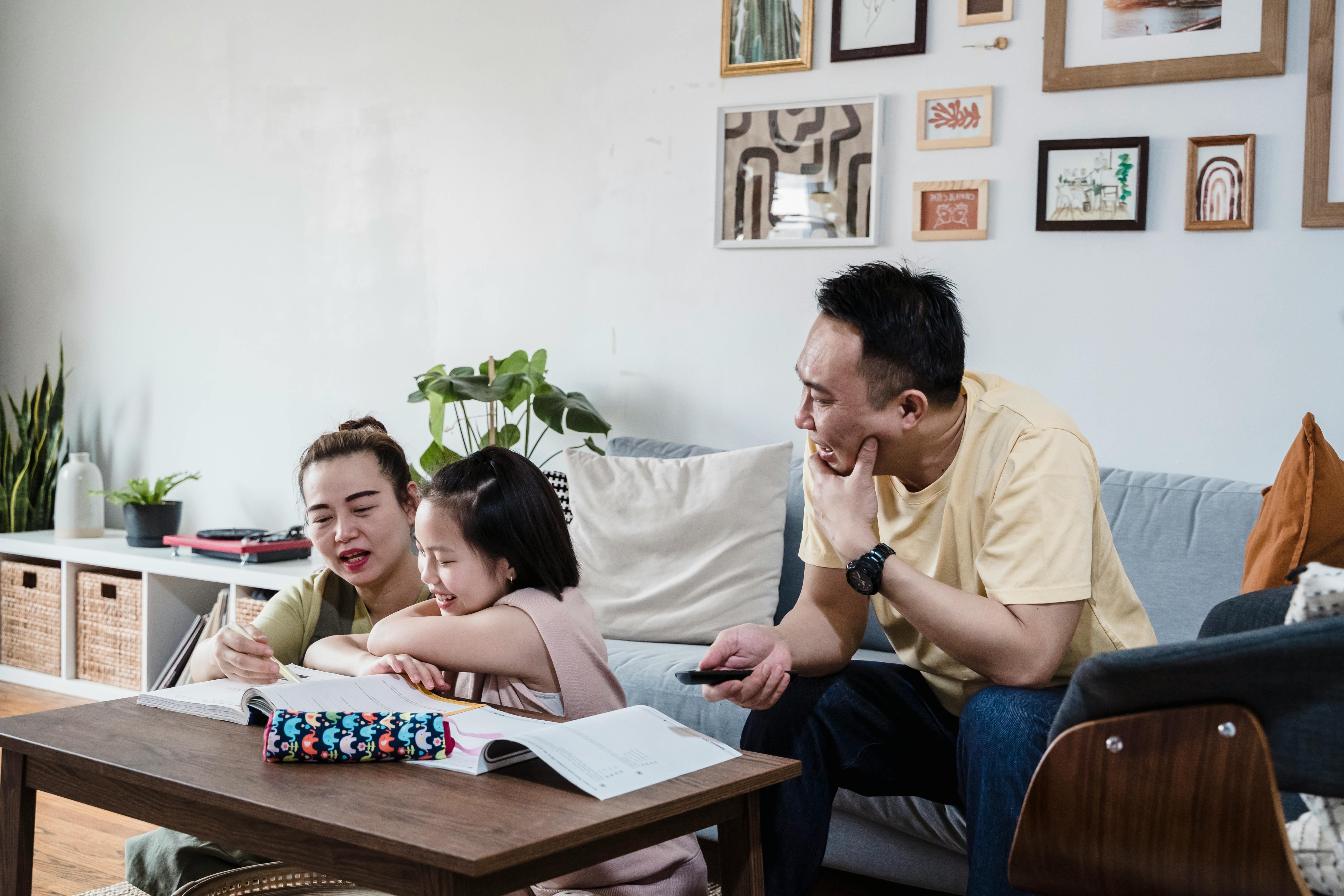
Learning is a relationship, not a race.
Children build understanding by touching, moving, naming, comparing, asking and trying again. BloomKids focuses on materials that invite active participation and fit naturally into family life. Progress may look like a new word, a steadier hand, a longer conversation or the confidence to solve one small problem independently.
Curiosity comes first.
A useful activity begins with something a child wants to investigate. Open-ended materials leave room for questions, choices and unexpected ideas.
Practice should feel purposeful.
Repetition becomes meaningful when a child can see why it matters: finishing a pattern, telling a story, organizing pieces or preparing for a daily routine.
Adults guide without taking over.
Calm prompts, patient observation and age-aware supervision offer support while preserving the child’s ownership of the activity.
Real life is part of the lesson.
Sorting, turn-taking, explaining feelings, caring for materials and following simple steps all connect learning with everyday family routines.
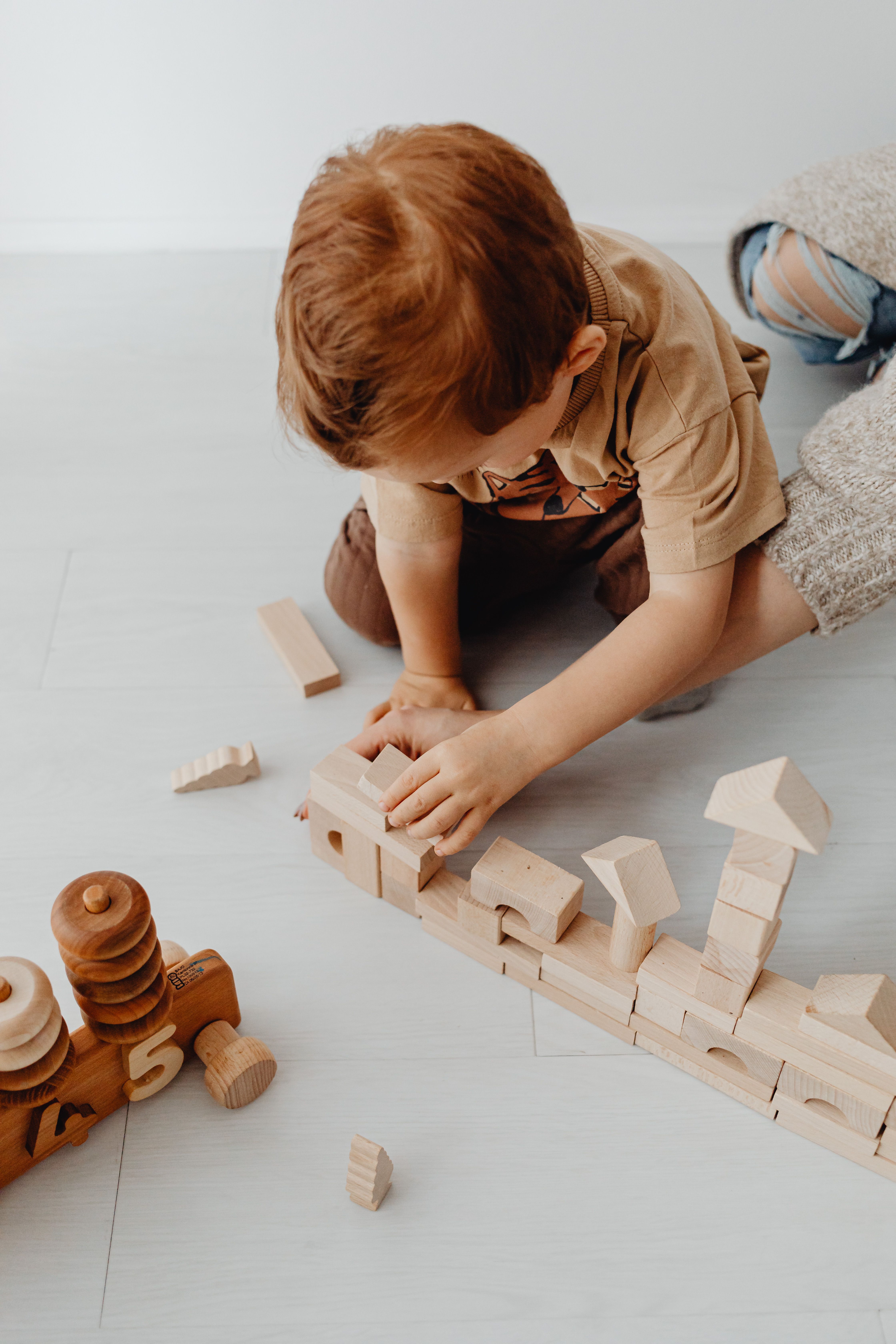
Hands make ideas easier to understand.
Children often understand an idea more deeply when they can move it, test it and rebuild it. Blocks, puzzles, matching pieces, counters and activity boards turn abstract concepts into visible experiences.
- Building and balancing support planning, coordination and flexible problem-solving.
- Sorting and matching help children notice similarities, differences and patterns.
- Counting tools and number pieces connect spoken math language with physical quantities.
- Simple clean-up routines strengthen care, sequencing and growing independence.
Different skills grow together.
A child may practice language while building, emotional awareness while drawing or early math while setting up a game. BloomKids organizes learning goals clearly while respecting how naturally they overlap.
Language and literacy
Books, picture cards, alphabet materials and conversation prompts help children connect sounds, symbols, stories and everyday meaning.
Numbers and early math
Counting, grouping, sequencing and comparing become more approachable when children can handle real pieces and explain what they notice.
Fine-motor development
Grasping, threading, turning, placing and drawing invite careful hand movements that support everyday tasks and creative expression.
STEM discovery
Building, observing, predicting and testing help children experience simple engineering and science ideas through supervised exploration.
Creativity and expression
Open-ended art, craft, pattern and pretend-play materials allow children to make choices, communicate ideas and revise their plans.
Emotional growth and routines
Feeling prompts, calming tools and visual schedules can help families name experiences, prepare for transitions and practice familiar steps.
Invite. Observe. Continue.
A thoughtful activity does not need a complicated lesson plan. A small, repeatable rhythm keeps the child’s ideas at the center while giving adults a clear way to participate.
Invite gently
Place out a few useful materials and offer one clear starting idea.
Observe closely
Notice the child’s strategy, language, comfort and current level of interest.
Continue naturally
Add a prompt, model one step or save the activity for another day.

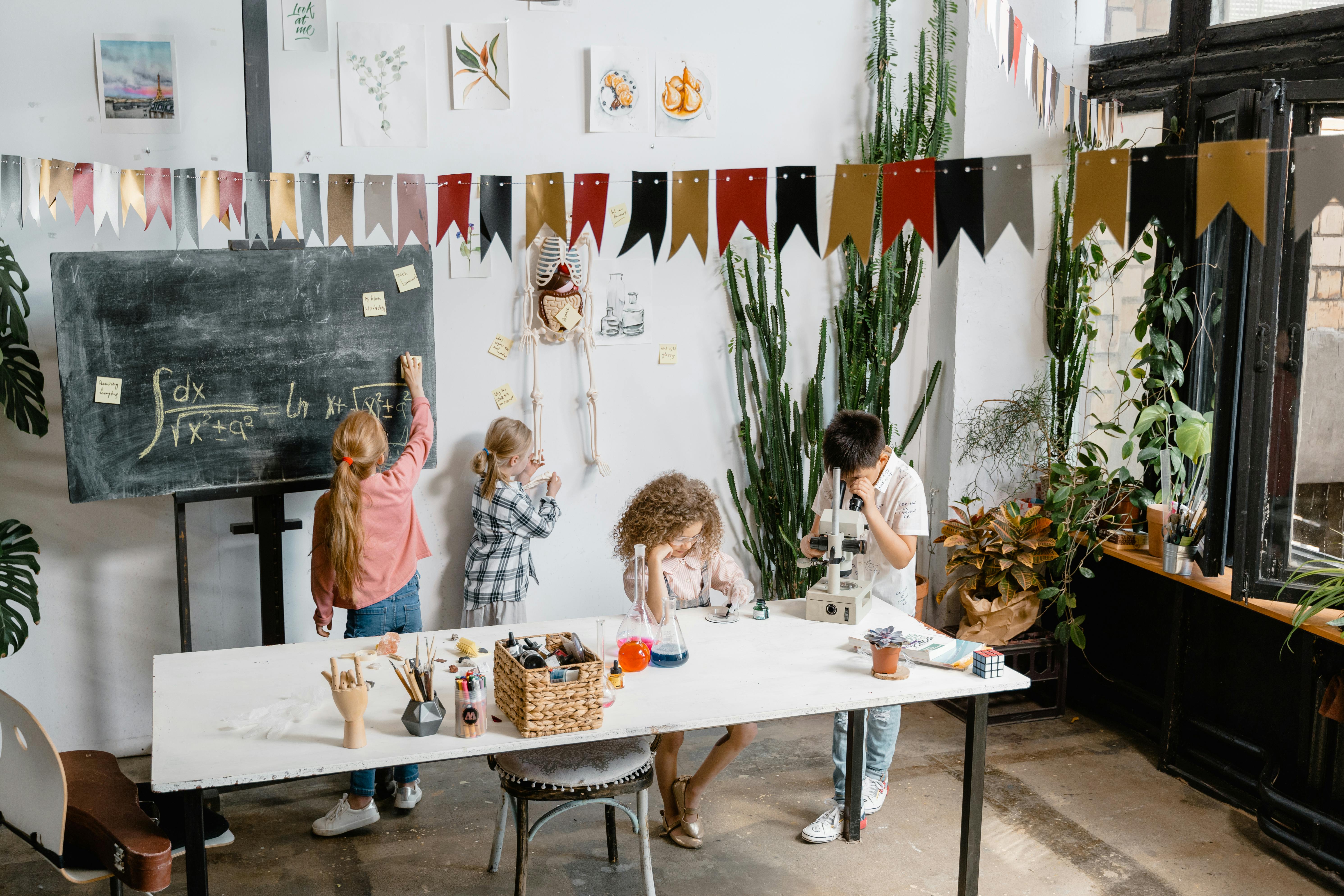
Discovery begins with a prediction.
STEM learning becomes approachable when children can ask what might happen, test a simple idea and compare the result with their prediction. The goal is not a perfect answer. It is careful noticing, flexible thinking and the confidence to try another approach.
Choose for the child in front of you.
Age guidance is a useful starting point, but every child brings different interests, experience and comfort. Adults should review product instructions, consider current abilities and supervise activities in a way that fits the child and the materials.
Match the challenge.
Look for an activity that feels interesting and manageable, with room for one small next step rather than a jump that creates frustration.
Use materials thoughtfully.
Follow product instructions, check pieces before use, keep the activity area clear and provide adult supervision appropriate to the child’s age and abilities.
Leave space for repetition.
Returning to familiar materials can reveal new strategies, stronger language and greater independence. Repetition is not standing still; it is how understanding settles in.
Thoughtful learning, dependable support.
Need help comparing learning goals, developmental stages or activity formats? BloomKids is here to help families choose with care and confidence.
3–5 business days
Clear timing for planning family activities.Choose materials that make room for thinking, making and connection.
Explore BloomKids learning essentials by product, category or developmental goal. For personal guidance, our support team can help you consider the child’s age, interests, current skills and preferred way of engaging.