
Parent–Child Activities
Make learning feel like time well spent together.
Simple shared activities can support language, early math, creativity, fine-motor practice, emotional connection, and confident problem-solving without turning family time into a formal lesson.
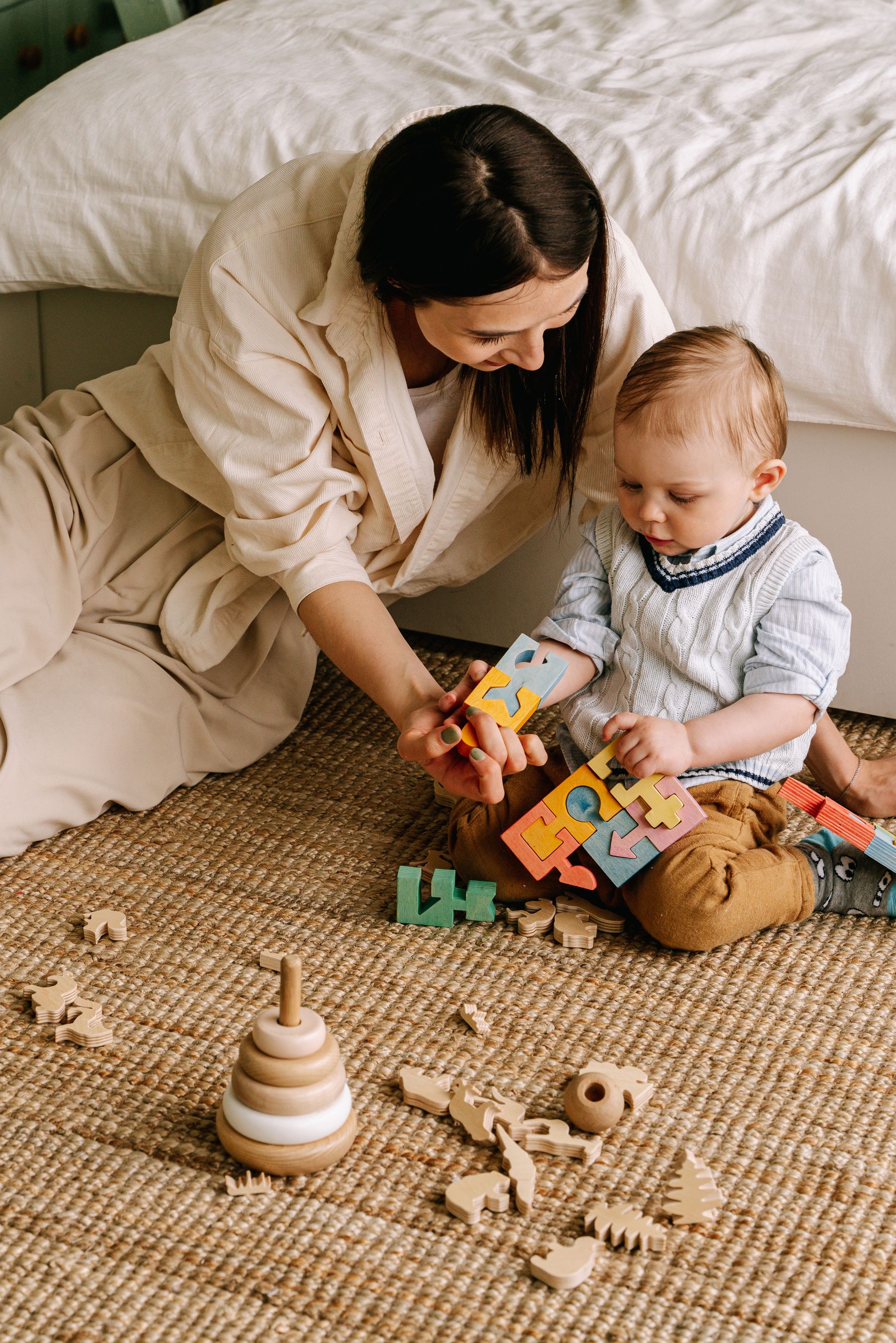
Three activity formats for busy family days
Choose one idea, gather only what you need, and let the child’s questions shape the direction. The goal is connection and exploration, not a perfect finished result.
Story and picture prompts
Use a picture book, language cards, or family photos to invite conversation, sequencing, prediction, and emotional vocabulary.
- Ask what happened first, next, and last.
- Notice facial expressions and body clues.
- Let the child invent a new ending.
Build, sort, and compare
Arrange blocks, counters, puzzle pieces, or matching cards by color, shape, number, pattern, size, or a category your child invents.
- Take turns creating sorting rules.
- Compare groups using more, fewer, and equal.
- Build a pattern and ask what comes next.
Draw, design, and explain
Create a picture, map, pattern, paper model, or simple plan, then talk about the choices made during the process.
- Describe colors, shapes, textures, and positions.
- Ask what was easy, tricky, or surprising.
- Display the work or save it in a growth record.
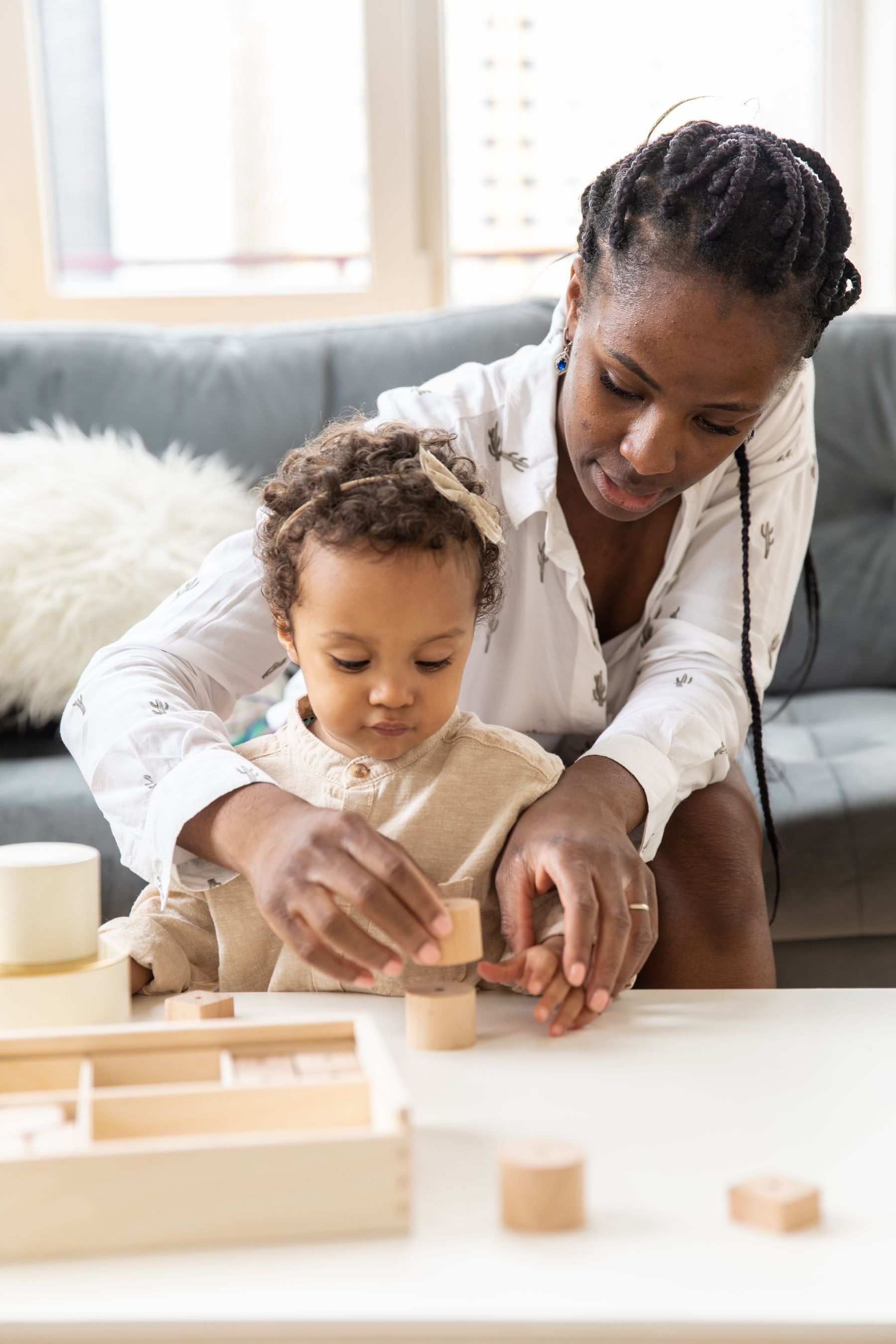
Join the activity without taking over the activity.
Children often stay engaged longer when adults show genuine interest, offer just enough support, and leave room for independent decisions.
- 1Begin by observing what the child is already trying to do.
- 2Use comments and open questions before giving instructions.
- 3Offer one small hint when frustration starts to interrupt learning.
- 4Notice effort, strategy, and persistence instead of only the final result.
Repeat familiar formats while changing the materials.
A predictable rhythm can reduce planning time for adults and help children understand how to begin, participate, and tidy up.
Monday: Notice and name
Use picture cards, books, objects, or a walk around the room to name colors, shapes, actions, sounds, letters, numbers, or feelings.
Tuesday: Sort and match
Match pairs, sort pieces into groups, compare sizes, or build a category around an everyday family theme.
Wednesday: Build and test
Create a tower, bridge, path, pattern, or simple structure, then change one part and observe what happens.
Thursday: Create and tell
Draw, craft, arrange loose parts, or design a scene, then invite the child to explain the story or plan.
Friday: Reflect and choose
Review a favorite activity from the week and let the child choose one element to repeat, extend, or change.
Weekend: Family project
Try a longer shared project such as a story map, puzzle challenge, family routine chart, creative build, or supervised STEM exploration.

Turn art into conversation
Drawing side by side creates a calm setting for describing ideas, sharing stories, practicing fine-motor control, and talking about feelings without pressure.
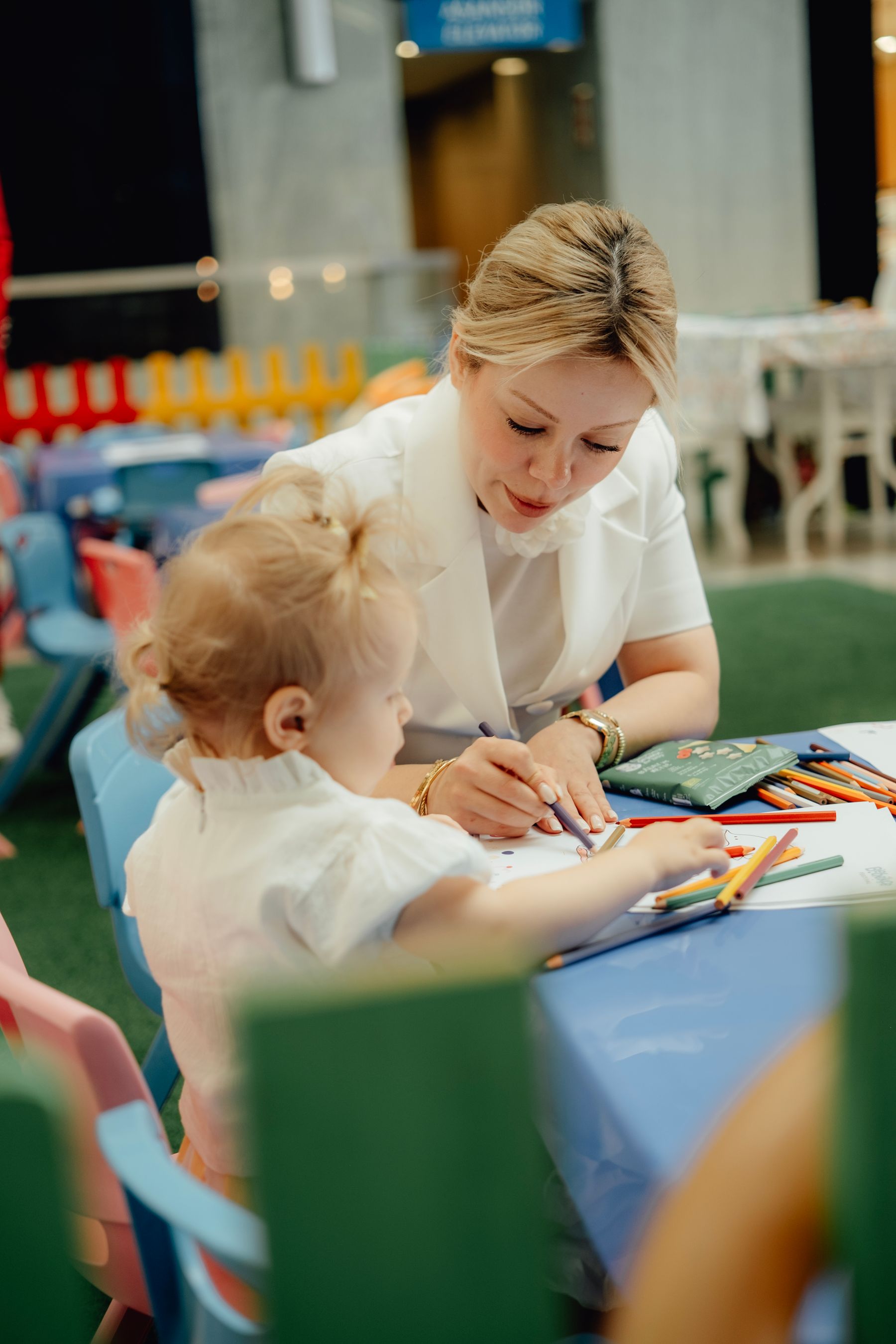
Use materials as thinking tools
Crayons, cards, counters, puzzle pieces, and building materials can help children make ideas visible while adults model useful language and patient problem-solving.
Adjust the activity to the child’s current stage.
Age ranges are useful starting points, but attention, language, fine-motor ability, sensory preferences, and prior experience also shape what feels manageable.
Keep it sensory and simple
Choose large, age-appropriate pieces and focus on naming, placing, stacking, matching, and short turn-taking with close adult support.
Add choices and pretend play
Invite sorting rules, simple stories, patterns, role-play, and creative building while keeping directions brief and visible.
Plan, explain, and revise
Encourage children to predict, compare strategies, record observations, and change a design after testing it.
Give each child a real role
Use the same activity with different responsibilities so younger and older children can contribute without competing for the same task.
Keep family activities comfortable, age-appropriate, and easy to repeat.
Before starting, check the product instructions, choose materials suited to the child’s age and abilities, and supervise whenever the activity or components require it.
- Prepare a clear workspace with only the materials needed for that activity.
- Introduce one new challenge at a time and allow extra processing time.
- Pause when tiredness or frustration begins to outweigh curiosity.
- Clean and store products according to their material and care guidance.
Store information for family learning orders
Helpful details for families browsing early learning, creative play, STEM, language, routine, and parent–child activity products.
Shipping Time
3–5 business days